

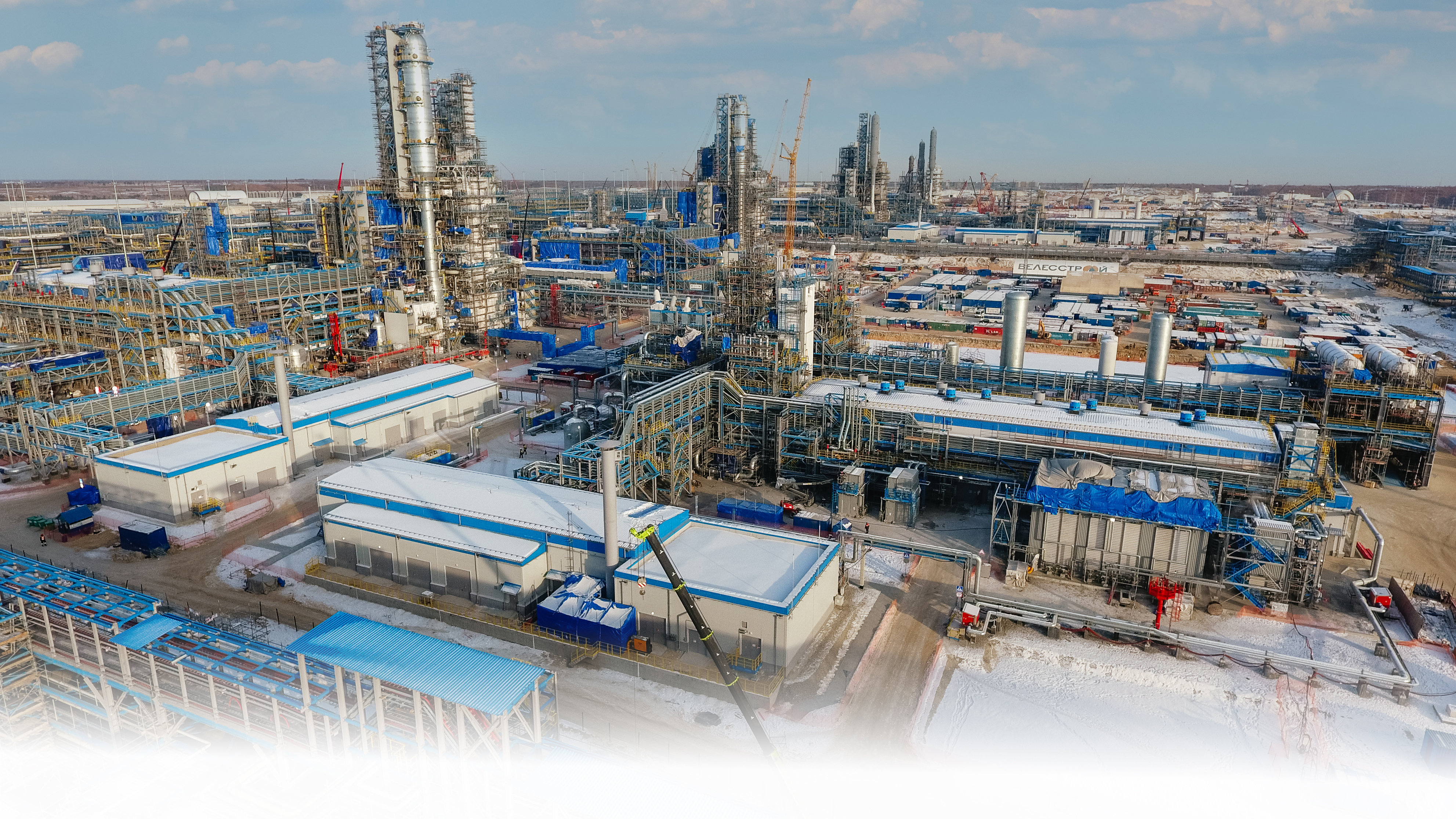
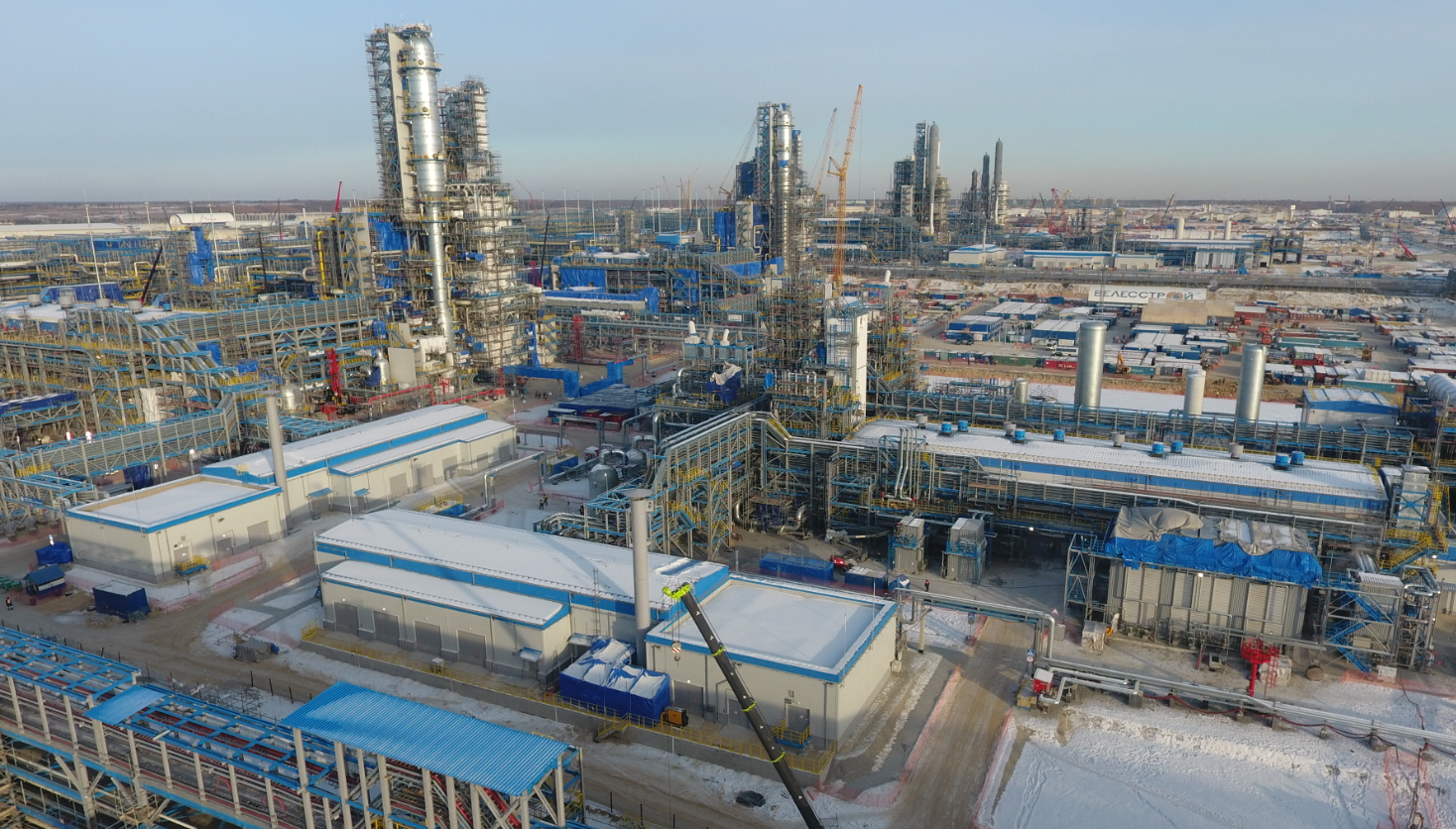
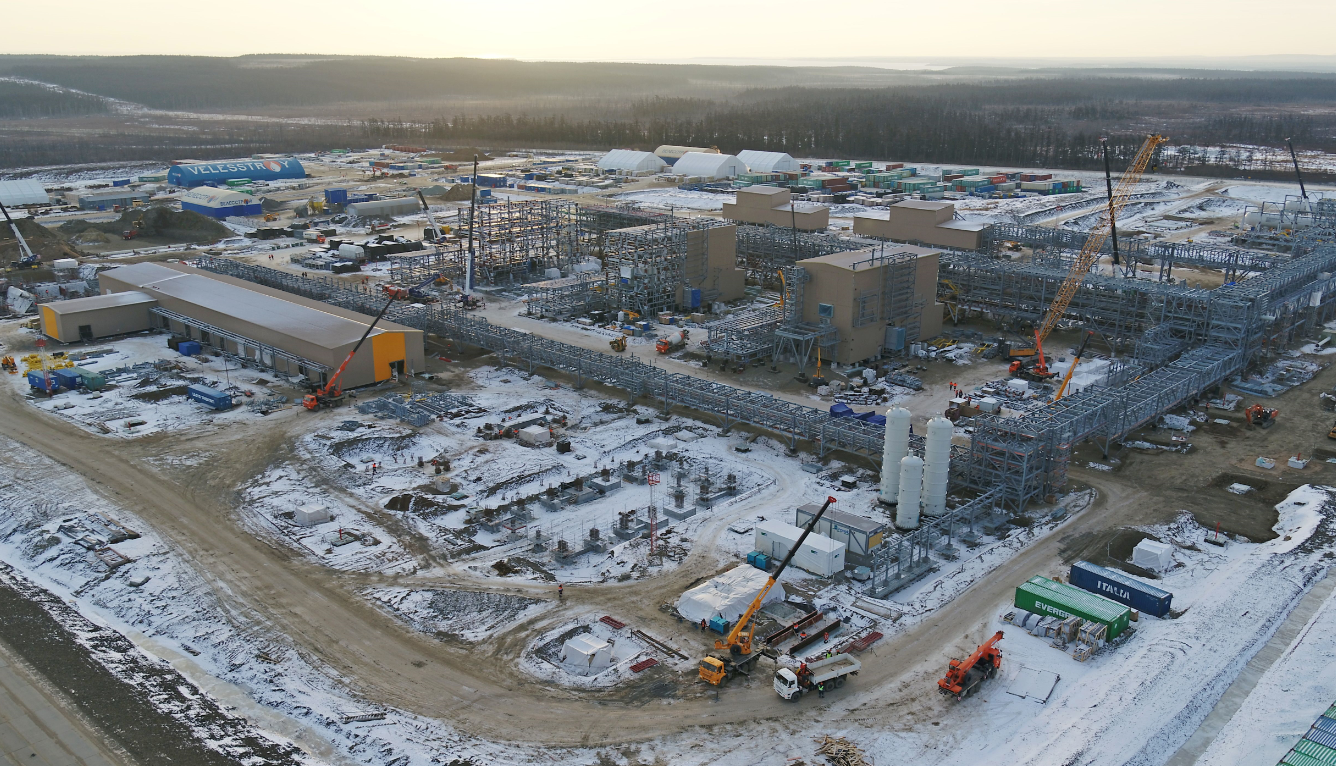
Saint Petersburg Economic Forum 2016 witnessed a contract award for the construction of ammonia plant in Kingisepp. The facility located in the Leningrad region will become the first of the five large-scale plants in Russia, the US and Kazakhstan producing ammonia and urea fertilizers. It is expected that the plant capacity will reach 1 million tons per annum.
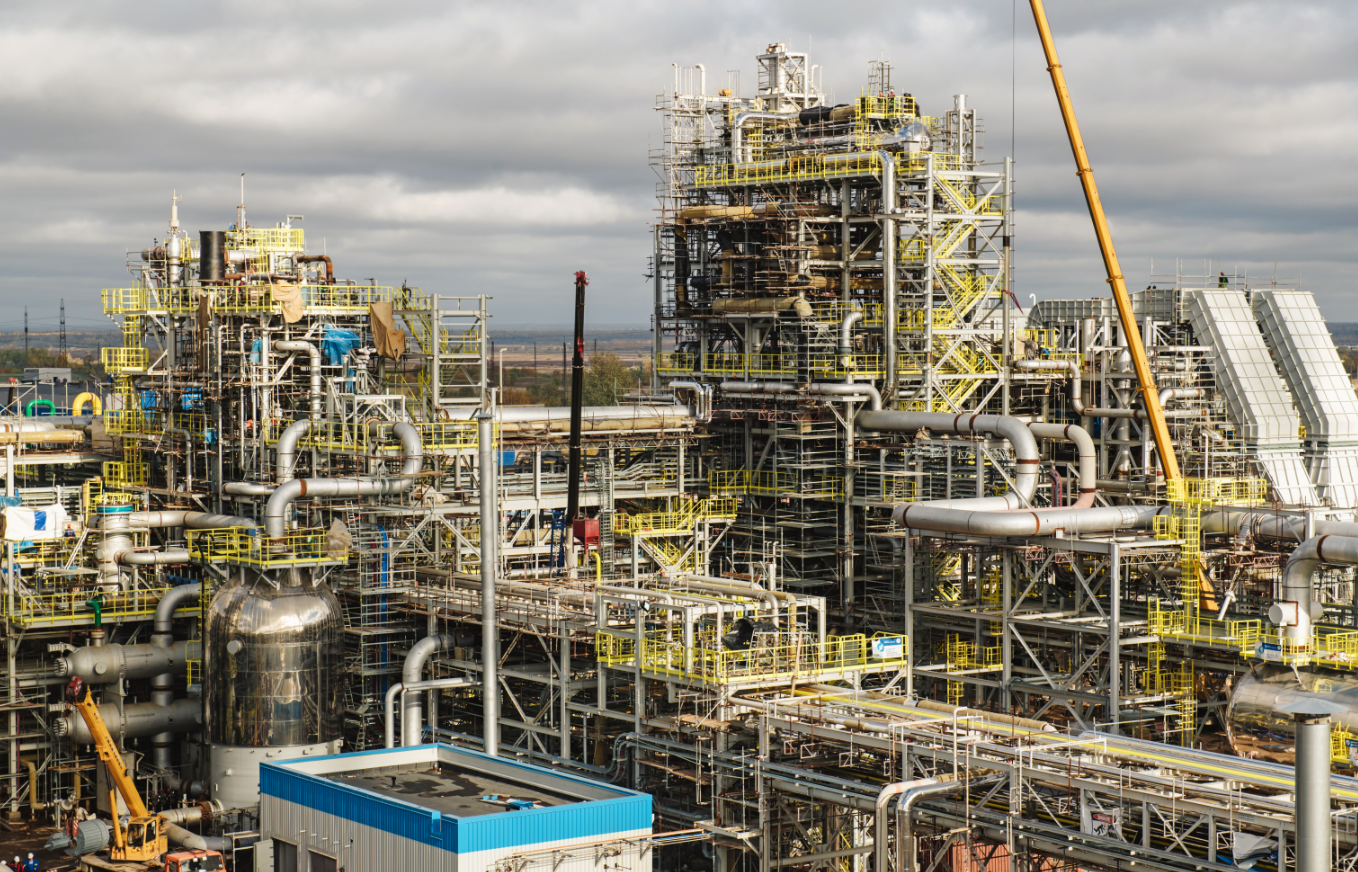
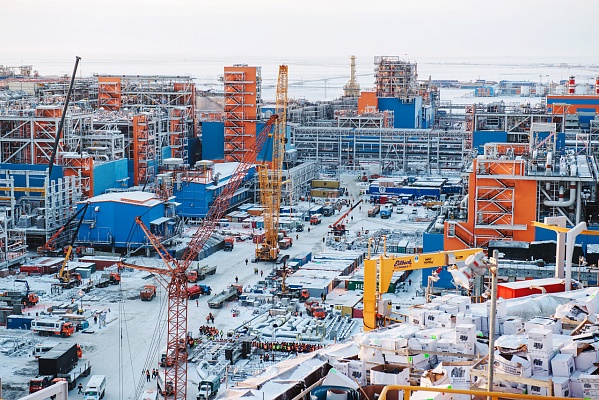
The project envisages installation of more than 50 units of heavy-weight equipment more than 50 tons each, with the heaviest elements as heavy as 850 tons. And as major equipment requires powerful machines, VELESSTROY personnel use a 1650 ton lifting capacity crane for this purpose.
The Leningrad region is well-known for its tough climate conditions, as far back as in the XVII century people joked about Peter the Great building a city on a swamp. To maximize stability of foundations on the wet and clammy soils, and during the construction of particularly heavy buildings reinforced concrete piles are used. 74 thousand meters of project piling (about 9 thousand pieces) have been installed during the construction of the Kingisepp plant.
In order to ensure that the construction site’s demand for concrete is always satisfied two batching plants have been installed, each with a capacity of 18m3/hour. As of today, more than 60% of the concrete works have been finished.
At the facility VELESSTROY is engaged into the installation of steel structures for process pipe- and cable racks. The overall weight of the structures is expected to exceed 10 000 tons. At the moment fabrication and installation of 300 km of pipelines is underway. 1360 km of cable will be required to ensure electrical and instrumentation connections of the plant. VELESSTROY is also engaged into installation of various process facilities and water treatment. Works at the compressor station, cooling tower, reformer and flare units are underway. This plant located in the Leningrad region will be the first among the five large-scale facilities in Russia, the US and Kazakhstan producing ammonia and urea fertilizers. It is expected that the plant capacity will reach 1 million tons per annum. .


